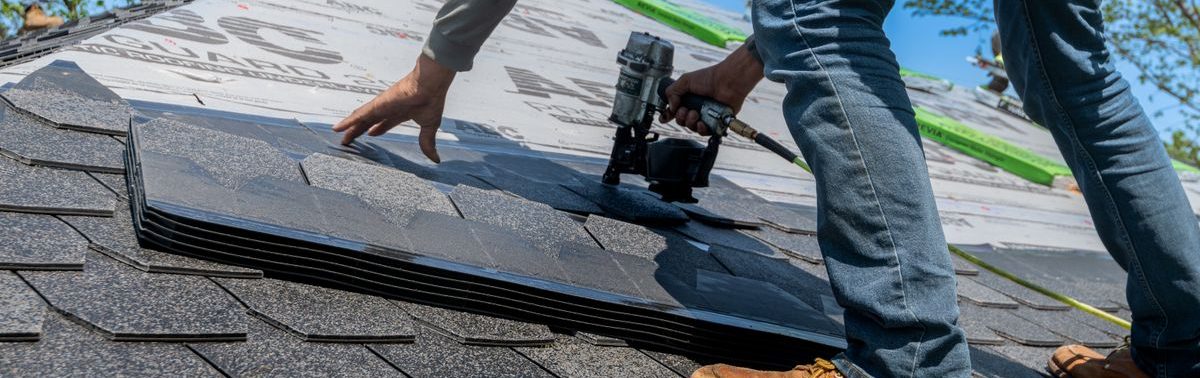
If you have shopped for a home near the Charleston coast, you already know the bad news: insurance here is expensive and getting worse. A typical premium runs into the thousands, carriers are tightening, and wind and flood often come as separate policies on top. I cover the full picture in my coastal insurance guide. This post is about the good news hiding inside the bad, the one lever most buyers never pull: wind mitigation, and specifically a FORTIFIED roof.
You cannot change the Charleston insurance market. You can change how a specific home is built and documented, and that can meaningfully lower the windstorm part of your premium. Here is how it works.
What wind mitigation is
Wind mitigation is simply the set of construction features that help a home survive high wind, and insurers give premium credits for them because a hardened home files fewer and smaller claims. A wind-mitigation inspection documents those features on a state form, and you hand it to your carrier to claim the credits. South Carolina has an official Mitigation Verification form built around exactly these categories.
The features that earn credits
- Roof shape. A hip roof, sloped on all four sides, sheds wind better than a gable roof and is a standard credit factor.
- Roof deck attachment. How the plywood sheathing is nailed down, closer nailing to current code earns more.
- Roof-to-wall connection. Toe nails are weakest; metal clips, single wraps, and double-wrap hurricane straps are progressively stronger and earn more.
- Secondary water barrier. A sealed underlayment that keeps water out if the shingles blow off.
- Opening protection. Impact-rated windows, tested storm shutters, and a wind-rated garage door.
- Roof covering. A roof installed to current wind-speed standards.
Notice how many of these are about the roof. That is not an accident, the roof is where coastal homes win or lose in a storm, and it is where the biggest credits live.
South Carolina requires insurers to offer the credits
This is worth knowing because it is your leverage. State law directs that insurance rating plans in the coastal area include discounts and credits for mitigation, and the Department of Insurance implemented it through a 2007 bulletin, effective for policies issued or renewed on or after January 1, 2008. The important nuance: the law requires carriers to offer mitigation credits, but it does not set a fixed statewide percentage, each insurer files its own credit amounts. So the discounts are real and mandated in principle, but the exact number varies by carrier, which is why you shop.
FORTIFIED: Roof, Silver, and Gold
FORTIFIED is a voluntary, beyond-code building standard from the Insurance Institute for Business and Home Safety, and it is the gold standard for coastal resilience. It comes in three tiers that build on each other:
- FORTIFIED Roof is the foundation: enhanced roof-deck attachment, a fully sealed roof deck, and locked-down roof edges. Most of the insurance benefit starts here.
- FORTIFIED Silver adds protection for the damage amplifiers, opening protection, rated garage doors, gable-end bracing, and attached structures like porches.
- FORTIFIED Gold adds an engineered continuous load path tying the roof to the walls to the foundation.
A home earns the designation through an independent third-party FORTIFIED evaluator, and it is good for five years. Because insurers can see a certified, documented standard, a FORTIFIED designation is one of the cleaner ways to earn windstorm credits.
What the discount is actually worth
Here is where I have to be careful, and you should be skeptical of anyone who is not. You will see figures like a maximum combined wind-mitigation credit around 48 percent, or FORTIFIED discounts above 50 percent. Those come from carrier marketing and inspector sites, not the state, and the state specifically declines to set fixed percentages. Two honest framings matter. First, treat any percentage as illustrative and verify it with your own carrier. Second, and this is the big one, the discount typically applies to the wind or hurricane portion of your premium, not the whole bill. A 50 percent discount is half of one component, not half your total. It is still real money on a coastal home, just run the math on the right number.
The discount is on the wind portion, not the whole premium. When a carrier or contractor quotes a big mitigation discount, ask what it applies to. On the windstorm component it can be substantial; as a share of your total premium it is smaller. Get the credit in writing from the carrier before you count on it.
SC Safe Home: a grant toward a stronger roof
South Carolina runs a grant program, SC Safe Home, through the Department of Insurance, to help coastal homeowners strengthen their homes, and it partners with the FORTIFIED Roof standard, so a qualifying retrofit can earn the designation at the same time. As of a February 2026 opening, the program was offering grants generally in the $4,000 to $7,500 range for owner-occupied single-family homes in coastal counties, with income-based eligibility. The catch: the program opens and closes with its funding, and application windows come and go. Confirm whether it is currently open with the Department of Insurance before you count on it.
The wind pool and the deductible you actually pay
Two more coastal realities to fold in. If the standard market will not write wind and hail on a home, the South Carolina Wind and Hail Underwriting Association, the wind pool, is the insurer of last resort for designated coastal areas, and it publishes its own mitigation-credit schedule. And coastal policies usually carry a separate percentage deductible for named-storm or wind and hail losses, often 1, 2, or 5 percent of the home's insured value rather than a flat dollar amount. On a $600,000 home, a 2 percent wind deductible is $12,000 out of pocket before coverage starts. State rules require carriers to disclose that deductible clearly and get your signature when it is added. Read it, mitigation helps your premium, but the deductible is what you actually pay in a storm.
How to use this as a buyer
- Get a wind-mitigation inspection during due diligence. A licensed inspector or contractor documents the roof and opening features on the SC form, once you are under contract, so you know the credits before you close.
- Ask the roof age first. It is the single biggest driver of the windstorm rate, and most carriers get strict past 20 to 25 years. An old roof is both a premium problem and a negotiation point.
- For new construction, ask if it is built to FORTIFIED. Builders in the Summerville and Berkeley corridor can often deliver a FORTIFIED Roof or better, ask for the designation certificate.
- Shop the credit. Because each carrier files its own credits, the same FORTIFIED roof can be worth more with one insurer than another.
The bottom line
Charleston insurance is a real cost, and for too many buyers it is a surprise that lands after they are already committed. Wind mitigation is the part you can actually influence, a hip roof, a sealed deck, hurricane straps, impact protection, and especially a FORTIFIED roof can lower the windstorm premium and, just as important, make a home easier to insure at all. This is not insurance or financial advice, confirm every discount, deductible, and program with a licensed South Carolina agent and your carrier. But it is exactly the kind of thing I flag for you early: tell me the property, and I will look at the roof age and the wind-mit features, and help you get an inspection and real quotes before your offer goes firm.
Common questions
What is a wind mitigation inspection in South Carolina?
A wind-mitigation inspection documents the construction features that help a home resist high wind, roof shape, roof-deck attachment, roof-to-wall connections, a secondary water barrier, opening protection, and roof covering, on South Carolina's official Mitigation Verification form. A licensed inspector, contractor, or engineer completes it, and the homeowner submits it to their insurer to claim premium credits. It is typically done once you are under contract or own the home.
Does a FORTIFIED roof lower insurance in Charleston?
It can. FORTIFIED is a beyond-code standard from the Insurance Institute for Business and Home Safety, with three tiers, Roof, Silver, and Gold, and South Carolina insurers offer windstorm credits for qualifying mitigation. The discount typically applies to the wind or hurricane portion of the premium rather than the whole bill, and the exact amount varies by carrier because each files its own credits. A designation is earned through an independent evaluator and is valid five years. Confirm the credit with your carrier.
How much can wind mitigation save on insurance in SC?
It varies and should not be treated as a guaranteed number. Widely cited figures, such as a maximum combined credit around 48 percent or FORTIFIED discounts above 50 percent, come from carrier and inspector marketing, not the state, which declines to set fixed percentages. Importantly, the credit usually applies to the windstorm portion of the premium, not the entire policy. Verify any discount in writing with your own South Carolina carrier.
What is the SC Safe Home grant?
SC Safe Home is a South Carolina Department of Insurance grant program that helps coastal homeowners strengthen their homes against wind, and it partners with the FORTIFIED Roof standard. As of a February 2026 opening it offered grants generally in the $4,000 to $7,500 range for income-eligible, owner-occupied single-family homes in coastal counties. The program's application windows open and close with funding, so confirm current availability with the Department of Insurance before relying on it.
Do Charleston homes have a separate hurricane deductible?
Often, yes. Coastal South Carolina policies commonly carry a separate percentage deductible for named-storm or wind and hail losses, frequently 1, 2, or 5 percent of the home's insured value rather than a flat dollar amount. On a $600,000 home, a 2 percent wind deductible is $12,000 out of pocket before coverage applies. State rules require insurers to disclose this deductible clearly and obtain the owner's signature when it is added, so read your policy's deductible, not just the premium.