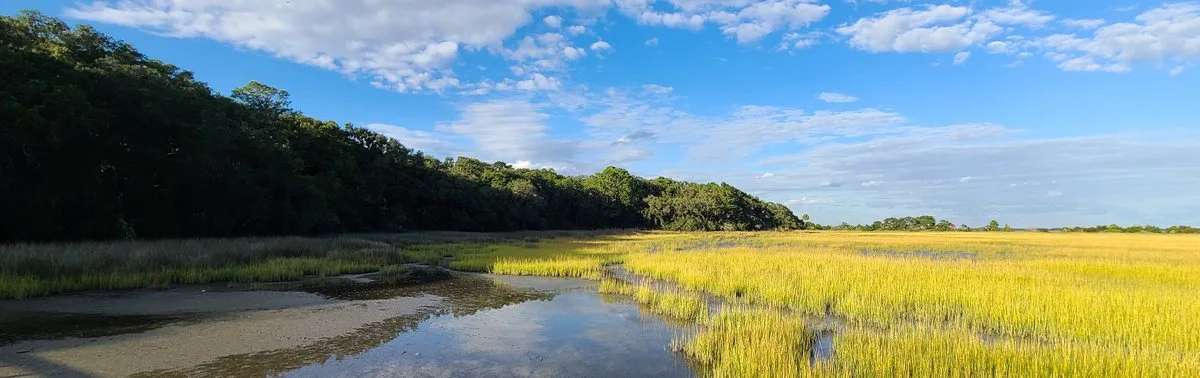

Charleston land for sale ranges from roughly $75,000 infill lots in established neighborhoods to multi-acre rural and waterfront tracts across Johns Island, Ravenel, Summerville, and Moncks Corner, with some parcels reaching several million dollars. Jennifer Dane, REALTOR® with Better Homes and Gardens Real Estate Palmetto in Charleston, SC, works with land buyers on wetland delineation, flood zone status, septic and well suitability, and zoning before an offer is made.
Land is not the same as a home search
Before you buy dirt: run the free Land Buildability Score, pull taxes/flood/utility notes with Check This Address, and see nearby permits on Charleston Pulse.
Buyers who approach a land search the same way they approach a home search tend to run into problems. The due diligence is different. The questions are different. And the things that can derail a land purchase, zoning, soil conditions, access, utilities, wetland delineation, are not always visible from the road or apparent in a listing.
Before you write an offer on raw dirt, run the free Land Buildability Score for a planning-grade read on septic soils, grading, and hidden site costs in Charleston, Berkeley, Dorchester, Orangeburg, or Colleton County.
And not every buyer is trying to build. If you are drawn to Lowcountry land for exactly what it is, undeveloped and quiet, some of it can be permanently protected through a land trust, occasionally with meaningful tax benefits. Here is more on Charleston land conservation.
I approach land searches the way I approach complex transactions: with a checklist that runs before an offer is made, not after. That means fewer surprises at the closing table and better decisions throughout the process.
Start with the free land tools
Portals show acreage and a photo. They do not tell you whether the soil will perc, how much fill you might need, or what is being permitted two parcels over. Use these before you fall in love with a pin on a map.
Land Buildability Score
Planning-grade read on septic suitability, grading difficulty, and a stack of hidden site costs across Charleston, Berkeley, Dorchester, Orangeburg, Colleton, and Georgetown counties.
Check This Address
Parcel context for a Lowcountry address: taxes, flood notes, utilities, and public-record signals worth verifying before you drive out.
Charleston Pulse
Live metro map for permits, schools, FEMA layers, and nearby development. Useful when the listing is quiet but the county is not.
All Research Tools
Assumable list, BAH, and the rest of the toolkit if your land search sits next to a home purchase or a PCS timeline.
Where buyers look for land near Charleston
Supply and rules change by county. These are the corridors I search most often when a buyer wants dirt, not a finished house.
- Johns Island and western islands: larger lots, horse-friendly acreage, and custom-build sites with longer drive times into town.
- Ravenel, Hollywood, and Ace Basin fringe: rural tracts, timber, and conservation-adjacent parcels where wetland and access review comes first.
- Awendaw and McClellanville: quieter East Cooper acreage; pair any search with land conservation context.
- Moncks Corner, outer Summerville, and Berkeley County: more inventory for residential acreage and manufactured-friendly zoning questions.
- Farther tracts: South Carolina land and acreage across Orangeburg, Colleton, and Georgetown when budget or acreage needs outgrow the metro ring.
Looking for land
Tell me the acreage, county, and budget and I will search current parcels, including ones that never hit the portals. The home on the site right now is 5085 Lady Bird Alley in Johns Island.
Have land to sell, or a parcel that never hit the MLS? Tell me about it.
Mobile, manufactured, and land-home packages
If you are looking for a mobile or manufactured home, a lot to set one on, or a land-and-home package, start with the mobile and manufactured home guide. It covers HUD vs modular, titled vs de-titled, the actual fees, land loans vs home loans, and what to do if you have never bought one (or your agent hasn’t either). Short URL: /mobile-homes.
Buying a park is a different underwriting problem than buying a house: pad rents, septic/water systems, zoning for manufactured use, and whether the park is land-lease or resident-owned. If you are looking at a Charleston-area park or an MH community acquisition, send the address and asking terms.
- Park buy: occupancy, rent roll quality, deferred infrastructure, and county compliance come before the brochure photos.
- MH lot / land for a home: confirm manufactured-home zoning and septic capacity with the Land Buildability Score, then match sellers who already want that use.
- Titling: a manufactured home on its own land is either still personal property (an SCDMV title, Form 400 to transfer, TOD-1 if there is a beneficiary) or de-titled into real property through a county inspection, Register of Deeds affidavit, and a $50 mailed packet to SCDMV. Most mortgages require the second one. Full buyer walk-through: mobile and manufactured homes. Forms deep-dive: The manufactured home question.
- Next step: text or form me the park or lot address. Same-day reply when I can.
Paths that sit next to a land search
- Mobile and manufactured homes: HUD, de-title, land vs home financing, and land-and-home packages.
- Build packages: pair a lot with a plan and builder so the dirt and the house get evaluated together.
- Horse and ranch properties: acreage with barns, paddocks, or agricultural use in mind.
- New construction: when you want a finished home in a subdivision instead of raw dirt.
- Land conservation: when the goal is protection, quiet neighbors, or easement strategy, not a building pad.
- Buying land Field Note: wetlands, perc tests, and the due diligence MLS photos skip.
Types of land I help buyers find in the Charleston area
| Type | Typical Size | Key Consideration |
|---|---|---|
| Infill lots | Single lots, existing subdivisions | Setbacks, FAR, architectural review requirements |
| Peninsula lots (29401, 29403) | Small, scarce, urban | Board of Architectural Review jurisdiction, easements, party-wall conditions |
| Larger residential acreage | 2 to 20+ acres | Well and septic, driveway access, agricultural use |
| Commercial & investment | Varies by use | Title research, environmental review, feasibility analysis |
See the detail on each category below.
Infill lots in established neighborhoods
Single lots within existing subdivisions or urban areas, ready for custom construction. These are often the result of a teardown or a parcel that was never developed. The advantage is existing infrastructure, roads, utilities, established neighbors, and a known zoning context. The questions here focus on setbacks, FAR (floor-area ratio), architectural review requirements, and what neighboring properties look like. See our build packages page for more on pairing a lot with a construction plan.
Downtown Charleston peninsula lots (29401, 29403)
Vacant land on the peninsula is its own category. Lots are scarce, priced accordingly, and almost always sit inside a historic or design review district, which means the Board of Architectural Review has a say in what gets built before a permit is issued. Height, setback, and materials rules are stricter than anywhere else in the Charleston area, and a lot that looks buildable can carry easements or party-wall conditions specific to older urban plats. I verify BAR jurisdiction and prior survey history before a peninsula land offer goes in.
Larger residential acreage
Properties ranging from two to twenty-plus acres, often in the outer ring of the Charleston market, Summerville, Moncks Corner, Johns Island, Ravenel, Hollywood. These parcels appeal to buyers who want space: a private driveway, room for a barn or workshop, agricultural use, or simply separation from neighbors. See our horse and ranch properties page for larger agricultural-use parcels.
Commercial and investment land
Parcels with commercial zoning or development potential are a different category entirely. Buyers in this space tend to have a specific use in mind and need title research, environmental review, and sometimes a feasibility analysis before they can evaluate whether the price makes sense. I work with buyers on these purchases with the same level of due diligence I bring to complex residential transactions. Buyers should also consult a qualified real estate attorney and tax professional before acquiring any investment property.
Wetland delineation matters in Charleston County. A significant portion of the lowcountry is jurisdictional wetland, which restricts or prohibits construction. A parcel that looks buildable on paper may not be. Before making an offer on any raw land, I verify the delineation status or recommend an environmental consultant who can do so.
Key due diligence items for any land purchase
Zoning
What is allowed on this parcel by right, and what requires a special exception or variance?
Utilities
Public water and sewer, or well and septic? If septic, has a perc test been completed?
Access
Legal, recorded access to a public road. An easement across a neighbor's property is not the same as deeded access.
Flood & wetlands
Not a step to skip in the lowcountry, see the wetland note above.
Deed restrictions
Some parcels carry covenants that limit use in ways the zoning map does not reflect.
Survey
A current survey is not always available. When it is not, order one before closing, not after.
Working with me on a land search
I bring the same strategic approach to land that I bring to every other transaction. If you know what you want to build or how you want to use a parcel, start there and work backward. If you are still exploring, start with the basics: location, acreage, budget, and intended use. The rest of the analysis follows from those anchors.
Ready to look at what is available? Let's start a conversation. I search active listings, off-market opportunities, and recently expired listings that may still represent viable options for the right buyer.
Land for sale near Charleston: common questions
Is there land for sale near Charleston SC?
Yes. The downtown Charleston peninsula (29401, 29403), Johns Island, Ravenel, Awendaw, and the ACE Basin area all offer vacant land, from small infill lots to large acreage tracts, near Charleston.
What should I know before buying land in Charleston SC?
Key due diligence items include wetland delineation, FEMA flood zone status, soil percolation tests for septic, zoning restrictions, and utility access.
Can I build a home on land I buy near Charleston SC?
In most cases yes, but permitting, zoning, wetland setbacks, and HOA rules vary significantly. Jennifer Dane coordinates due diligence and builder connections for land purchasers.
How much does land cost near Charleston SC?
Residential lots in established neighborhoods range from $75,000 to $300,000. Larger rural tracts and waterfront land can range from $150,000 to several million.
Where should I look for land near Charleston SC?
Johns Island, Ravenel, Hollywood, Awendaw, Moncks Corner, outer Summerville, and farther tracts in Orangeburg, Colleton, and Georgetown counties are common starting points. Peninsula lots exist but are scarce and usually under design review.
What free tools help evaluate Charleston land before an offer?
Use the Land Buildability Score for septic, grading, and site-cost risk, Check This Address for parcel and flood context, and Charleston Pulse for nearby permits. None replace a perc test, survey, or engineer.
Information provided is for general educational purposes only and does not constitute legal, financial, tax, or investment advice. Past market performance does not guarantee future results. All real estate transactions involve risk. Buyers and sellers should consult qualified legal, tax, and financial professionals before making any real estate decision. All properties are subject to prior sale, change, or withdrawal. Jennifer Dane is a licensed REALTOR® in South Carolina. Equal Housing Opportunity.